Fei Meng: Classical Portraiture Reimagined
Classically trained Fei Meng blends portrait skills with modern editorial and product design—her scarf Four Seasons won an A’ Design Award.
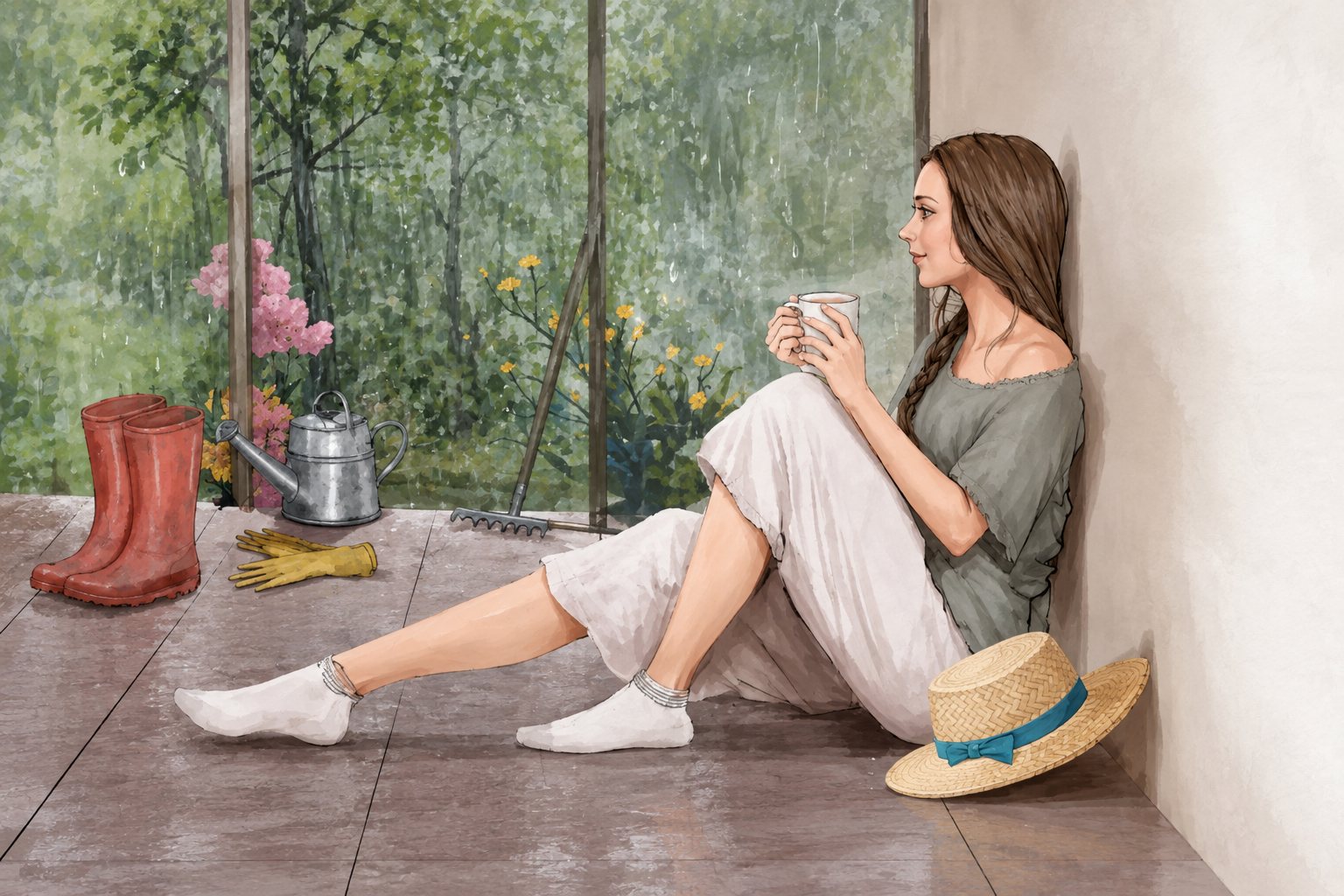
Fei Meng — profile published 2026-08-26. Her work pairs classical portrait training with a warm, storybook softness that reads vividly on pages, posters and fabric.
Born in China, Fei spent ten years living in the UK before relocating to New York in 2024. She trained as a classical portraitist and says that long study of anatomy, light and subtle facial shifts underpins everything she now makes. Early coloured-pencil portraits of hers were chosen for the Royal Society of British Artists’ Rising Stars exhibition in London.
That technical foundation soon found commercial outlets. Over the past six years Fei has produced character-driven illustration for media outlets and private commissions; a notable series for The Epoch Times translated pandemic-era columns and essays about emotional and physical wellbeing into single evocative images. As she puts it,
"I try to distil an article into its emotional or conceptual essence and find a single image that can carry it." — Fei Meng
Clients in advertising followed. Fei treats products not as objects to photograph but as props in a lived world: a handbag, scarf or piece of jewellery becomes part of a character’s gesture, clothing and setting. That conversational approach carried naturally into design for textiles. She developed scarf works intended to be folded and worn, and one design, Four Seasons, won an A’ Design Award.
Why music fans should care
Album covers, tour posters and merch thrive on personality. Fei’s work is about people who feel present—the tiny gestures, the way light sits on skin, the atmosphere a colour palette creates. That makes her a natural fit for musicians and labels that want artwork with emotional specificity rather than abstract branding.
Her practice also demonstrates a useful model for bands and creative teams: start with craft, then adapt for format. Fei moves from a paper portrait to an editorial spread to a scarf surface by preserving form and gesture while reshaping composition. For anyone commissioning cover art or limited-run merch, she offers technical discipline married to narrative warmth.
In a crowded visual landscape, Fei Meng’s portraits feel like they were taught to listen—to light, to posture and to the small cues that make a subject live on the page. That quiet authority is why her work is catching attention now.
Something wrong on this page? Tell us and we will fix it.