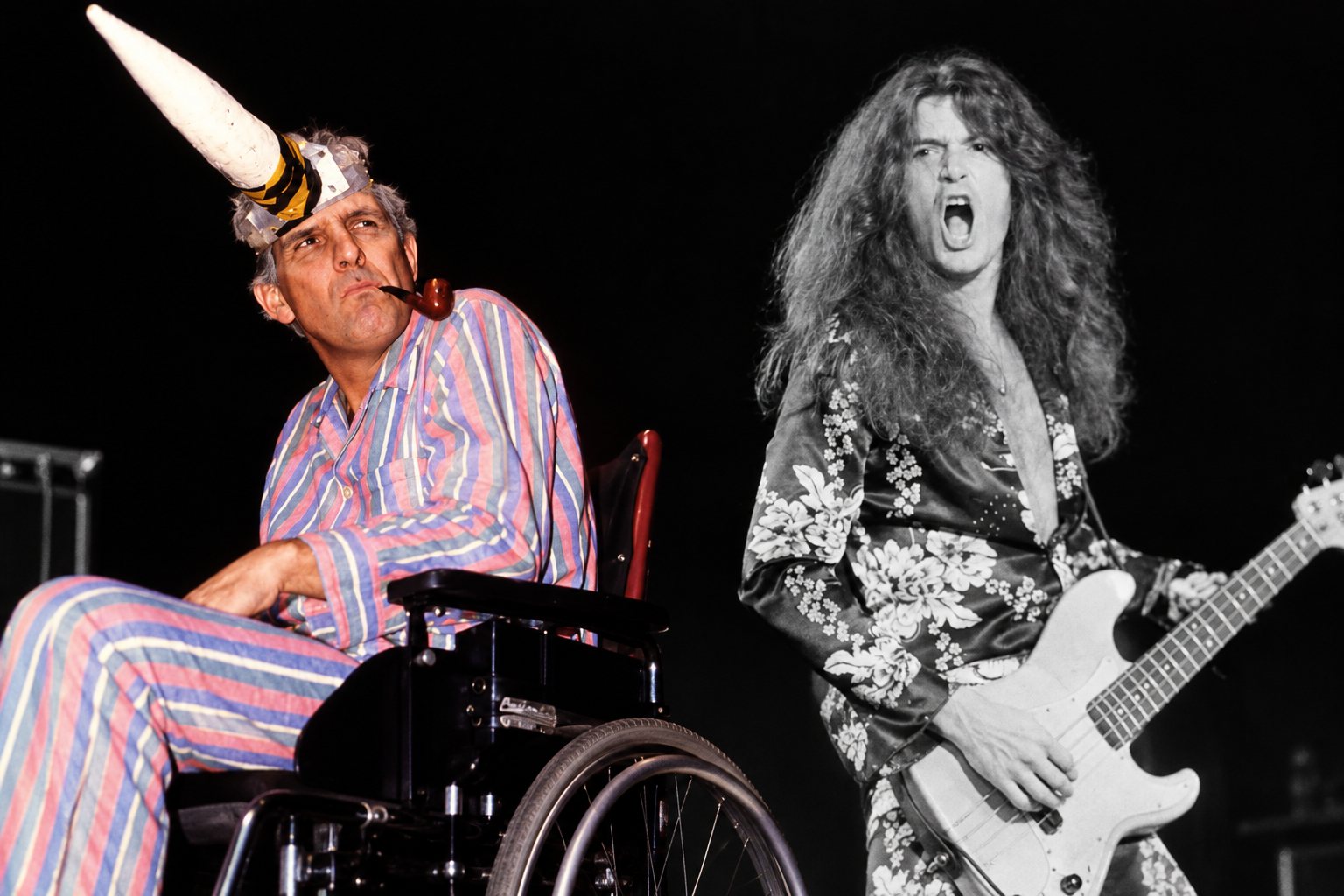
Glenn Hughes on The KLF's 1992 single
Glenn Hughes joined The KLF on America: What Time Is Love? (released February 1992), a techno‑rock single that revived his career and nudged him toward rehab.
Glenn Hughes performs on The KLF’s single America: What Time Is Love? — released February 1992. The collaboration turned a club trance track into a full‑throttle techno‑rock anthem and gave Hughes the spotlight he needed after a decade of personal collapse.
Hughes arrived in the studio as a veteran voice from Deep Purple and Trapeze, but by the late 1980s his career had been derailed by heavy drug use and a string of strained projects. The KLF — Bill Drummond and Jimmy Cauty — were reworking their trance track What Time Is Love? into a musclebound single titled America: What Time Is Love?, beefing up the production with a sampled Motorhead riff and a murderous, stadium‑sized chorus.
"We were originally supposed to be doing the song with Axl Rose, but he never turned up to the session," — Bill Drummond
When Axl Rose didn’t appear, the KLF gave Hughes a call. He recorded his parts in an hour, bringing ragged, ecstatic screams and raw rock phrasing that matched the track’s bruising energy. The finished single — filmed in a lavish, stormy video at Pinewood Studios — reached No.4 in the UK and credited Hughes as ‘The Voice Of Rock.’
For fans this matters for two reasons. First, the track is an unusual and successful collision of early‑90s rave production with classic hard‑rock singing: it’s proof that cross‑pollination between club culture and arena rock could sound genuinely thrilling rather than gimmicky. Second, the session helped alter Hughes’ arc. Though he was still struggling, the unexpected high‑profile success and the professionalism he displayed convinced him to confront his addiction.
Hughes checked into the Betty Ford Clinic in January 1992 after a health crisis and several relapses, and he credits the KLF collaboration with restoring his confidence and visibility. The single didn’t instantly fix everything, but it was a clear pivot point: a moment when a veteran rock singer found a new outlet and, ultimately, a reason to try for recovery.
For anyone tracing rock’s unlikely detours into electronic music, or following the redemptive late chapters of a once‑ubiquitous singer, America: What Time Is Love? is worth another listen — loud, strange and historically significant.
Something wrong on this page? Tell us and we will fix it.