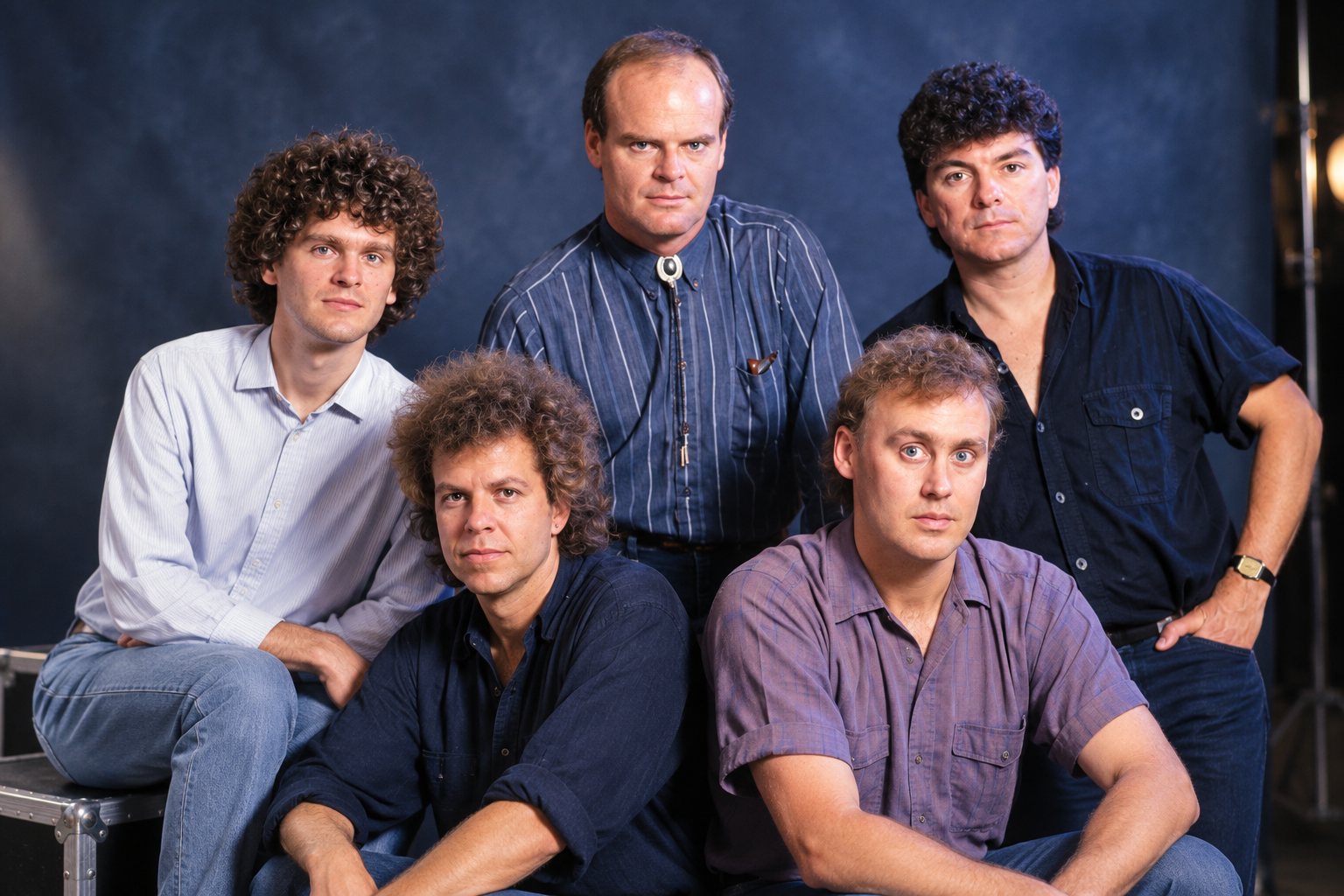
Kent Wood pivots to motion design
Kent Wood left wholesale work, moved to Manchester and retrained as a motion designer at 30. He now runs Kwoo Studio, using social sharing to win work.
Kent Wood pivoted careers at 30, relocated from the US to Manchester and launched Kwoo Studio to specialise in motion-brand systems — a compact case study in how to remake a creative life and get noticed online.
Wood’s route wasn’t linear. Born in the Caribbean, he studied kinesiology in Florida, then ran a wholesale distribution business servicing hotels and restaurants across the region. When the business model became unsustainable amid shrinking margins and supply-chain pressures, he reassessed his future. A partner’s academic opportunity in the UK opened the door for a wider reset.
“I used to think that by 30, you were supposed to have everything figured out in life,” he says. — Kent Wood
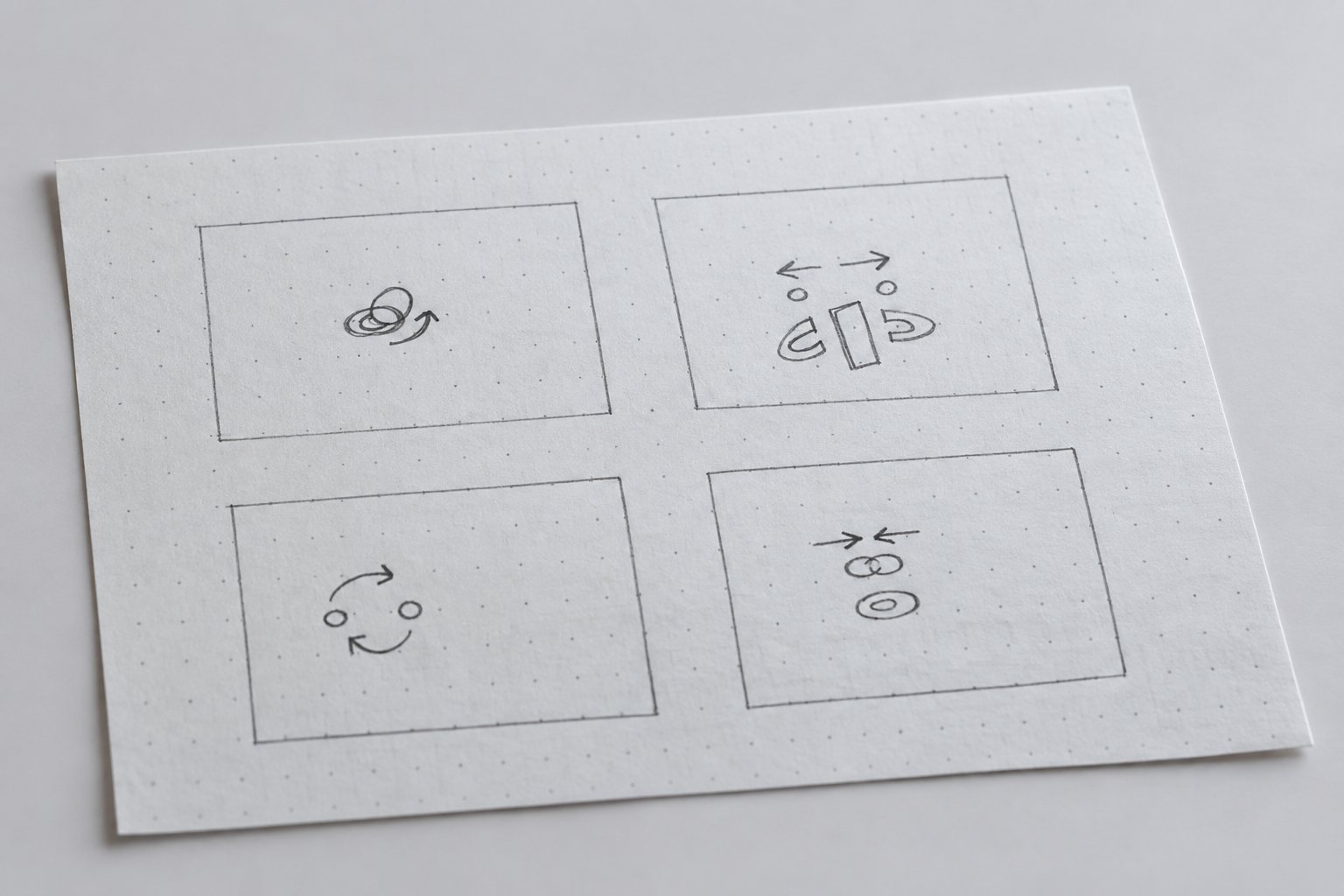
Rather than fall back on a familiar field, Wood taught himself design and motion. Kwoo Studio now focuses on what he calls Motion Brand Design: translating a brand’s existing static identity into a consistent motion identity — systems of movement, timing and behaviour that take logos, colour and type into video, UI and campaigns.
His practical starting points matter. Running his own business earlier gave him experience across pricing, photography, copywriting and marketing; he learned to use a DSLR, design storefronts and build websites. Those cross-disciplinary skills feed the studio’s approach: motion built from brand strategy and practical deliverables, not just ornamental animation.
Wood has also leaned into social sharing as a discovery tool. He posted a concept case study for a fictional furniture brand called Belo and used that work to spark conversations, which led to DMs, emails and a meeting with a studio up north. He sees online presence as a low-cost way to create a digital business card and accelerate networking in a new city.
Since arriving in northern England he’s plugged into local events — Process, The Northern Design Festival and Motion North — and credits the region’s creatives with being welcoming to newcomers. The result is a short, repeatable template for designers who want to change careers: learn useful adjacent skills, publish work that demonstrates systems thinking, and use social platforms to turn introductions into meetings.
For any creative thinking of a mid-career shift, Wood’s story is practical: pivot where your skills compound, make your work visible, and treat motion as a modern extension of brand identity.
Something wrong on this page? Tell us and we will fix it.