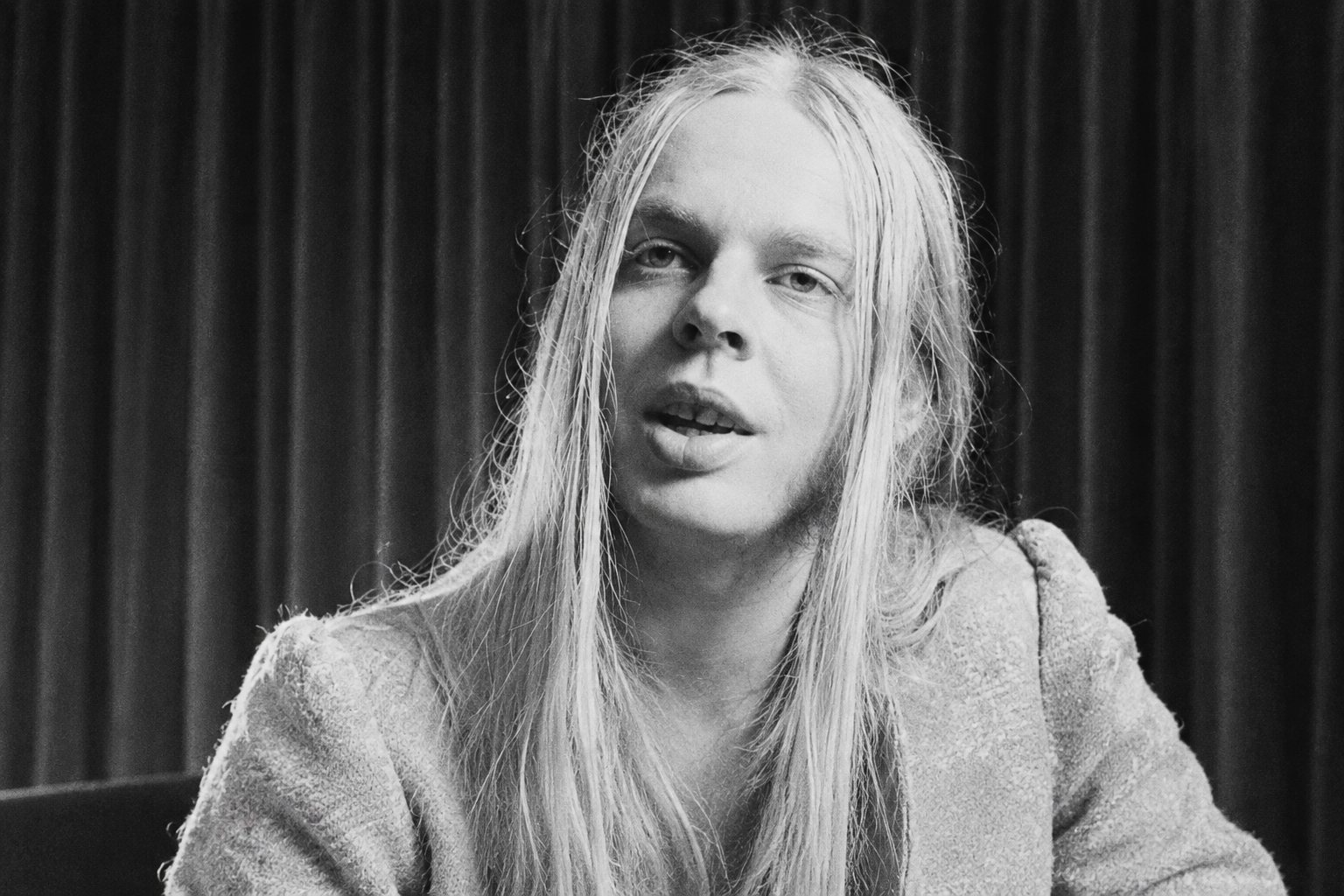
Rick Wakeman — The Myths and Legends (1975)
After a July 1974 heart attack, Rick Wakeman wrote The Myths And Legends Of King Arthur and released it in March 1975 — then staged epic ice shows.
From hospital bed to prog spectacle
When 25‑year‑old Rick Wakeman had his first heart attack in July 1974 he was told to stop. Instead he sketched a grand, cinematic concept that became The Myths And Legends Of King Arthur And The Knights Of The Round Table, released March 1975 — a project that matters to fans because it pushed prog’s scale: real orchestra, choir, narrators and a rock band all pulling towards mythic drama.
Wakeman spent six weeks at Wexham Park Hospital in Slough, Berkshire, composing on manuscript paper and demoing ideas on a smuggled cassette recorder. The opening epic The Last Battle originated in that room and carried a personal defiance: it was as much about the musician confronting his health as about Camelot.
Ambition in the studio
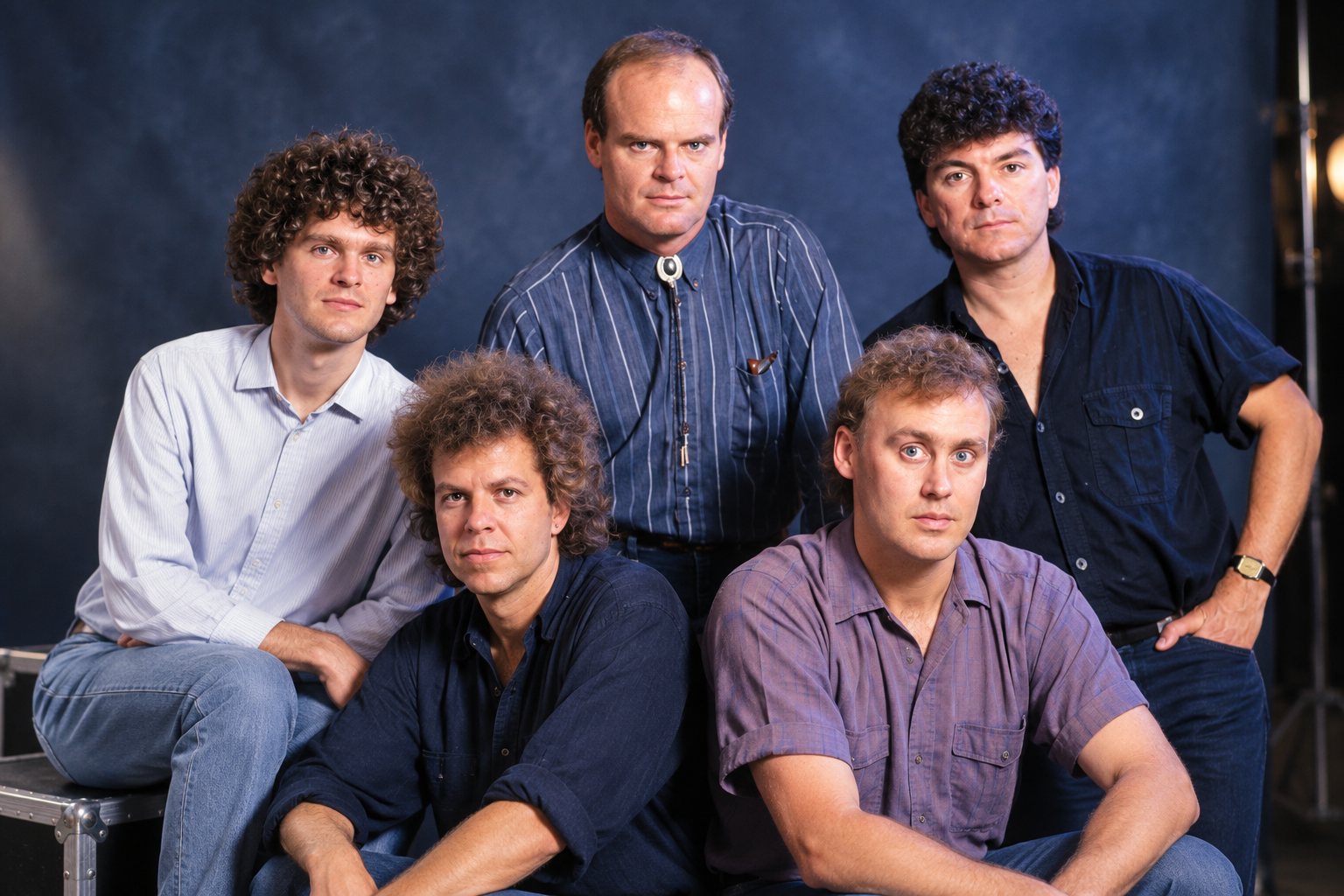
Recording began at Morgan Studios in November 1974 with the English Rock Ensemble — vocalists Ashley Holt and Gary Pickford‑Hopkins, guitarist Jeffrey Crampton, bassist Roger Newell, drummer Barney James and percussionist John Hodgson — joined by narrator Terry Taplin, a 45‑piece New World Orchestra and the 48‑strong English Chamber Choir. Wakeman deployed Mellotron and Moog textures alongside real strings and choirs to create a sound that aims for both ancient atmosphere and prog excess.
Musically the album balances sweeping themes (Arthur, Merlin, Galahad, Guinevere) with moments of bravura — most famously a daring synth solo on Sir Lancelot And The Black Knight and the ten‑minute pomp of The Last Battle. The record reached No.2 in the UK and No.21 in the US, solidifying Wakeman’s solo reputation after Journey To The Centre Of The Earth and The Six Wives Of Henry VIII.
Ice, pageantry and consequences
Wakeman wanted Tintagel pageantry but ended up staging an eccentric four‑cornered spectacle: three shows at the Wembley Empire Pool on May 30–June 1, 1975 performed on ice, featuring orchestra, choir, the English Rock Ensemble and more than 60 skaters in full Arthurian costume. He later recalled advice from David Bowie: "Don't let any promoter, agent or manager tell you what to do. They don't have the imagination..."
The shows were sellouts and theatrical proof of concept — but also ruinously expensive. Wakeman funded the productions himself, and the financial fallout helped push him back into the arms of Yes by the end of 1976. Today the album remains a high‑water mark of prog theatricality: a record born of illness that doubles as a defiantly large‑scale piece of storytelling.
Something wrong on this page? Tell us and we will fix it.