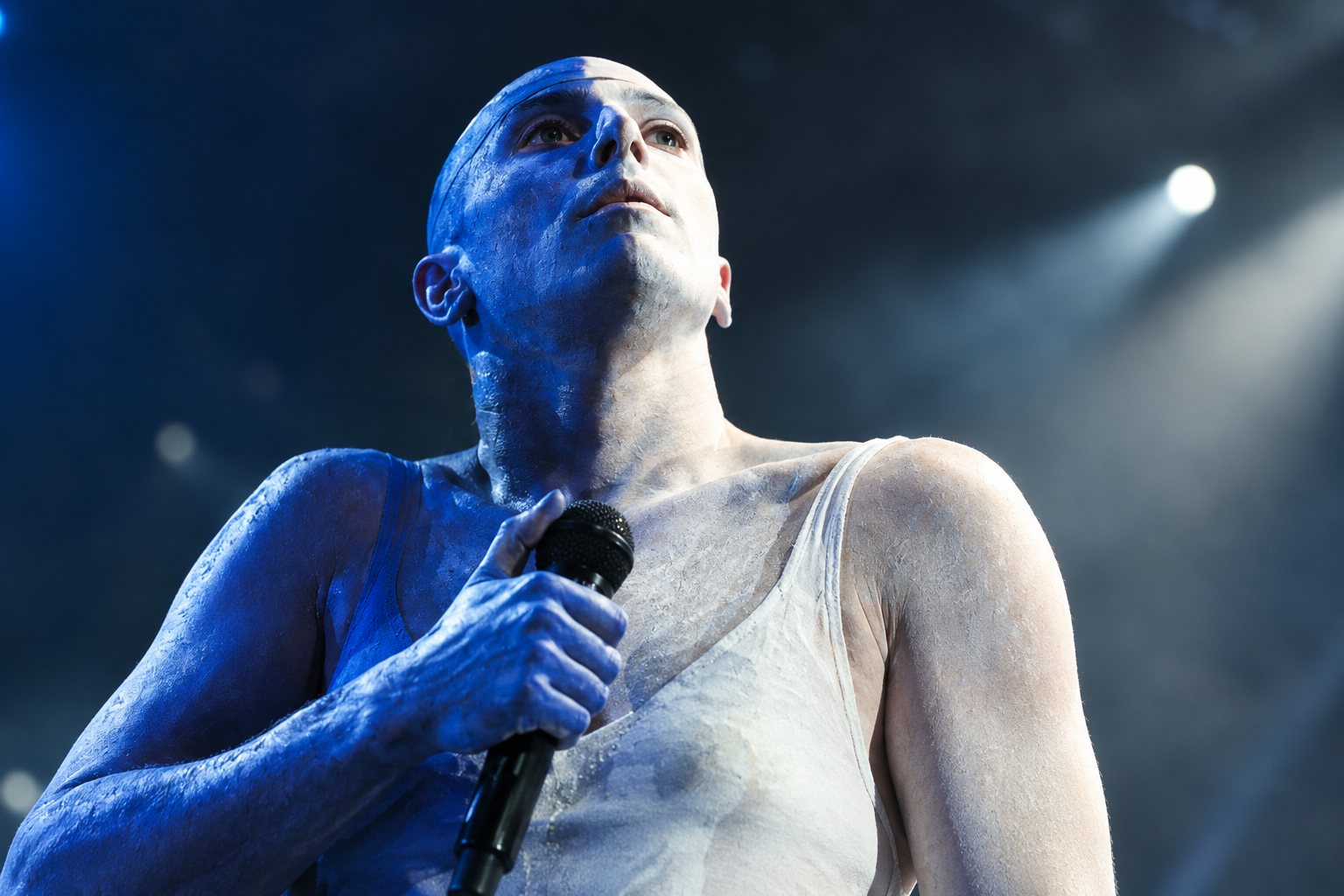
Tool — 10,000 Days (2006)
Tool released 10,000 Days in 2006, a lavish fourth album that reaffirmed the band's place in prog‑metal with dense art, banned videos and patient audiences.
Tool released 10,000 Days in 2006, a lavish fourth album that reaffirmed the Los Angeles quartet’s reputation for making music fans work for their rewards. The record arrived after long silences and only deepened the band’s mix of cinematic production, complex rhythms and unsettling visual art.
What the band did
From an early EP, Opiate (1992), through Undertow (1993) and the breakthrough Ænima (1996), Tool avoided easy categorisation. Adam Jones brought a background in art and claymation; Danny Carey layered polyrhythms and occult imagery into the drum parts; Paul D’Amour (replaced by British four‑stringer Justin Chancellor in ’95) and Maynard James Keenan completed a lineup that married technical rigour with theatricality.
The band leaned into controversy rather than away from it. Jones’s claymation videos for singles such as Prison Sex and Sober were banned or censored, yet they became central to the group’s identity — disturbing visuals that invited repeated looking rather than easy answers.
"Religion is basically a marketing plan." — Maynard James Keenan
Why fans should care
Tool’s approach rewards patience. Lateralus (2001) consolidated their reach — the lead single "Schism" earned the band a Grammy — and 10,000 Days doubled down on detail, even including stereoscopic artwork that required glass lenses in the CD sleeve. Between albums the members explored other projects: Keenan’s A Perfect Circle, Jones’s sculpture work and Carey and Chancellor writing in waiting for Keenan to return.
That slow cadence is part of the point. Tool traded constant output for cultural density: every riff, lyric and image feeds online analysis and devoted fandom. Where contemporaries chased radio-friendly shock or fashion, Tool built a catalog that keeps revealing itself the longer you listen.
For listeners who prize music that resists quick explanation, Tool’s first decade and a half — from Opiate through 10,000 Days — remains a template: complex, confrontational, and ultimately rewarding to those who stick with it.
Something wrong on this page? Tell us and we will fix it.